[The Stage is on Fire] is a page-turner in which, much like life, there are no easy answers and yet each step of the journey yields insight and hope. This work of heart must not be missed!
Melanie Faith
Creative Writing Teacher, Essayist & Poet.
Katie Steedly’s first-person piece [The Unspeakable Gift] is a riveting retelling of her participation in a National Institutes of Health study that aided her quest to come to grips with her life of living with a rare genetic disorder. Her writing is superb.
The Society of Professional Journalists
In recognition of receiving the Dateline Award for the Washingtonian Magazine essay, The Unspeakable Gift.
I thank you … It is the authenticity of your “class notes”; and it is the delicacy and skill with which you present the nuances of classroom life and the actuality of your students’ and fellow teachers’ lives.
Maxine Greene
Philosopher and Education Scholar
Enter your email here to receive Weekly Wide-Awake
back
Living the Comma #41
The Work of Love. A Writing Group Update. Kaitlin Curtis.
“The timeline of your life is not a straight line, after all; it is a series of ebbs and flows, backs and forths, heres and theres. You are nowhere and everywhere all at once, and that means that most of the time, the best you can do is be present to the moment, be open to the unlearning and the learning, and trust that you’re doing the work of Love.” ― Kaitlin Curtice, Living Resistance: An Indigenous Vision for Seeking Wholeness Every Day
Hello Writing Friends,
I know life is not a straight line. I know life is a series of ebbs and flows, backs and forths, and heres and theres. I know we are all nowhere and everywhere, and tasked with presence and attention and openness. I know we are called to do the work of Love. I know these things way down deep in the places where my synapses fire and my soul burns.
I ask myself, “What does it mean to do the work of Love?” How do I show up for myself and others? (What does showing up even really mean?) How do I pay attention to what matters and ignore what does not? How do find deep joy in the midst of the chaotic, the cruel, the isolated, the hopeless? I have come to the conclusion that the writing path is the work of Love. The writing path is the place where I slow down and breathe, stay soft and remain open, sift and sort, build and repair, mend and heal, tend and care, imagine and create.
A Living the Comma Writing Group Update
What? The group is a journal club, reading group, and writers community seeking to connect people with a creative process, a writing practice, and a spiritual path.
Where? We will meet in-person at Virginia Highland Church (a link will be provided for each meeting so people can join us virtually, too.)
When? We will meet the first Tuesday of the month. We will meet from 6:30 — 8:30 for food, community, and writing.
Dates: September 1, October 6, November 3, December 1, January 5, February 2, March 2, April 6, and May 4.
Who? No writing experience is necessary. All are welcome.
** First Meeting Tuesday, September 1st at Virginia Highland Church at 6:30 **
Conversations with Authors: Kaitlin Curtice
A Ritual for Living Resistance, an excerpt from Living Resistance: An Indigenous Vision for Seeking Wholeness Every Day.
Since my earliest years, I have been a very ritualistic person. Whether I understood it as ritual or not, I enjoyed having space to honor things in myself and around me. The more I became embedded in the Southern Baptist tradition of the faith I was raised in, the more I wandered from that ritualistic way of being. Ritual is allowed in the church but only in ways that fit, that are part of the atonement process to cleanse our souls from sin and embrace a certain kind of community. As much as I wanted to be close to God, I also lacked that closeness because I knew only a colonized version of God that did not value all of my questions or the nonlinear way I wanted to understand the world around me. — Kaitlin Curtis
A Slow and Steady Surrender, an On Being essay
There is something called blood memory, this marvel that you have a DNA connection to your ancestors that calls you back to your identity throughout your life. I found myself longing for a connection to the Potawatomi ways that seemed to be calling me back to childhood memories and back to a place of belonging. — Kaitlin Curtis
Kaitlin Curtice Author of “Everything is a Story” — Richard’s Rohr Daily Meditations
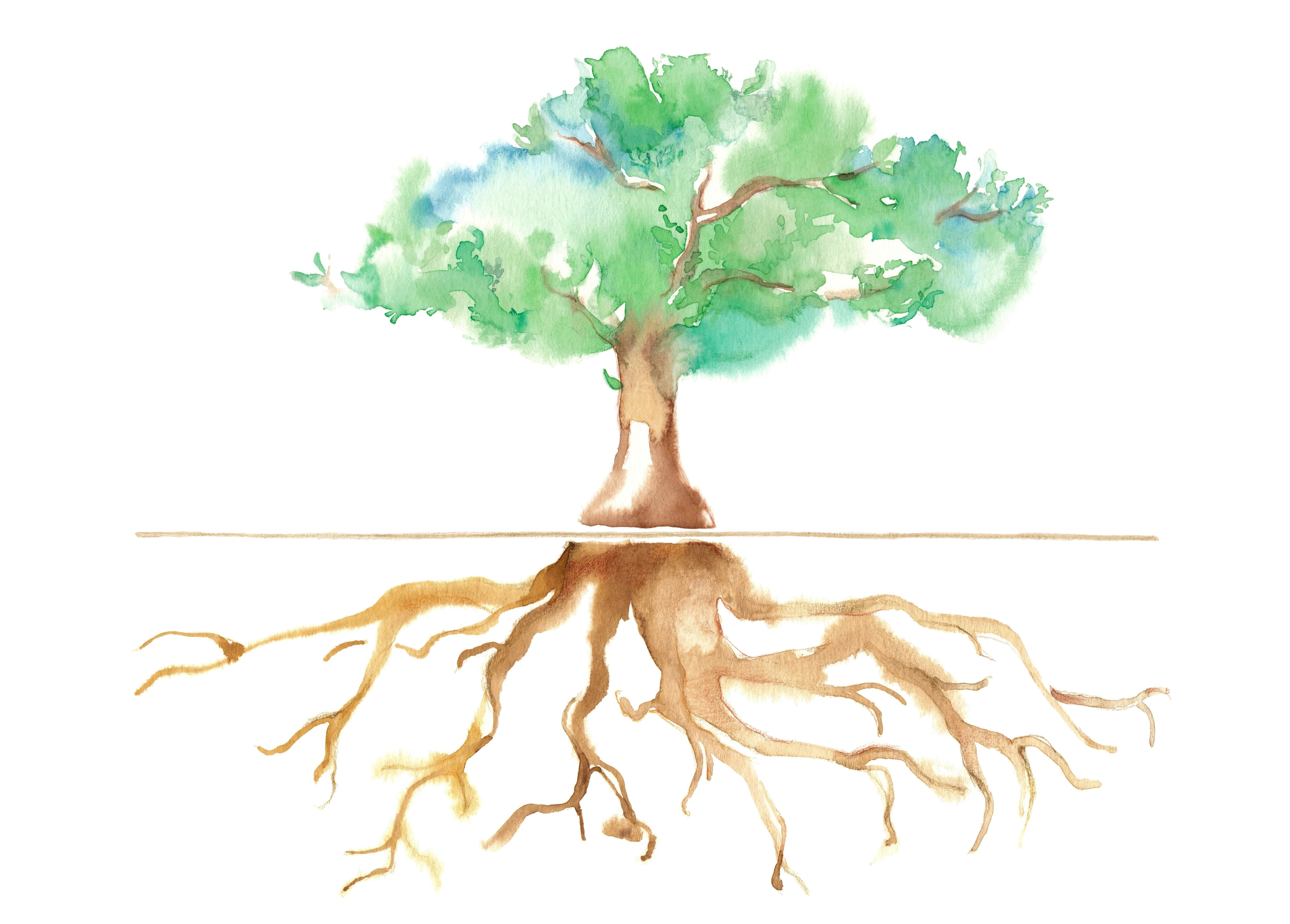
What if I could use the life cycle of an oak tree? I really love oak trees. I really have a special relationship to acorns. And so I thought, what if what if I could explore the life cycle of a story with the life cycle of an oak tree. … Oak trees are such a universal symbol of strength and power. Acorns and the oak tree literally have provided for people all over the world across history, across the centuries we have used oak trees. We have used oak gall for ink. We have used acorn meal to eat. We’ve used oak to build things with. It is such a universal symbol and it’s in so many myths and stories around the world that I thought it was just a really great way to explore that. So you know oak trees start from the very tiny acorn the seed and stories also start as a seed. They are sort of born at one point and then grow. I wanted to find a way to move them together. I really enjoyed using that metaphor and pairing these things together that people might not have considered and thought that maybe that would be a fun way to explore storytelling. — Kaitlin Curtis
Listen to the conversation here.
A Writing Prompt
We may be storytellers, but we are always inheriting stories— from Segmekwe (Mother Earth), from the trees and the waters, the ants and the coneflowers, and, yes, of course, the oak trees.
Consider the story of your own birth. Who was there? What happened? What were the conditions of your coming into the world? We honor one another with birthday parties and gifts every year, but do we thoughtfully reflect on that moment when the world shifted a little, simply because we were in it?
The world also shifts with a story’s birth, with a story’s beginning.
Here’s another question to consider: Is any story completely new and unique? Our birth stories as humans are unique to a point, but we are still human. Acorns fall to the ground and go on their own journey, but they are still acorns. So, what makes a story magical? I’d say it’s the journey that a story takes—who the story encounters, how they are shaped, and where they end up.
We are told so many stories throughout our lives, stories in childhood and as adults, stories as we age into the last stages of these human-body lives. We are told stories about creation, about life and death, about family, about friends and enemies, about what we should believe. Sometimes these stories give us room to breathe and grow, and sometimes they suffocate us. — Taken from ‘Everything is a Story’ by Kaitlin B. Curtice, ©2025. Used by permission of Brazos Press.
Journaling Prompt: Focus on a story you’ve inherited in your life. Consider this story as a living, breathing being. How do you interact with this story? And in what ways do you think you might change your interaction with this story?
Poetry prompt: Set a timer for 10 minutes and write a poem based on the word “birth”
Stories are the work of Love. Collecting stories. Telling stories. Sharing stories. Writing stories. I look forward to another year of writing together.
From the heart of the coma,
Katie
Living the Comma #1
Living the Comma #2
Living the Comma #3
Living the Comma #4
Living the Comma #5
Living the Comma #6
Living the Comma #7
Living the Comma #8
Living the Comma #9
Living the Comma #10
Living the Comma #11
Living the Comma #12
Living the Comma #13
Living the Comma #14
Living the Comma #15
Living the Comma #16
Living the Comma #17
Living the Comma #18
Living the Comma #19
Living the Comma #20
Living the Comma #21
Living the Comma #22
Living the Comma #23
Living the Comma #24
Living the Comma #25
Living the Comma #26
Living the Comma #27
Living the Comma #28
Living the Comma #29
Living the Comma #30
Living the Comma #31
Living the Comma #32
Living the Comma #33
Living the Comma #34
Living the Comma #35
Living the Comma #36
Living the Comma #37
Living the Comma #38
Living the Comma #39
Living the Comma #40
About Katie
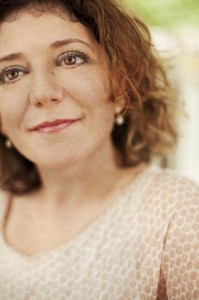
From Louisville. Live in Atlanta. Curious by nature. Researcher by education. Writer by practice. Grateful heart by desire.
Buy the Book!
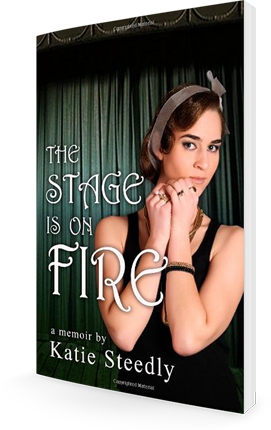
The Stage Is On Fire, a memoir about hope and change, reasons for voyaging, and dreams burning down can be purchased on Amazon.