[The Stage is on Fire] is a page-turner in which, much like life, there are no easy answers and yet each step of the journey yields insight and hope. This work of heart must not be missed!
Melanie Faith
Creative Writing Teacher, Essayist & Poet.
Katie Steedly’s first-person piece [The Unspeakable Gift] is a riveting retelling of her participation in a National Institutes of Health study that aided her quest to come to grips with her life of living with a rare genetic disorder. Her writing is superb.
The Society of Professional Journalists
In recognition of receiving the Dateline Award for the Washingtonian Magazine essay, The Unspeakable Gift.
I thank you … It is the authenticity of your “class notes”; and it is the delicacy and skill with which you present the nuances of classroom life and the actuality of your students’ and fellow teachers’ lives.
Maxine Greene
Philosopher and Education Scholar
Enter your email here to receive Weekly Wide-Awake
back
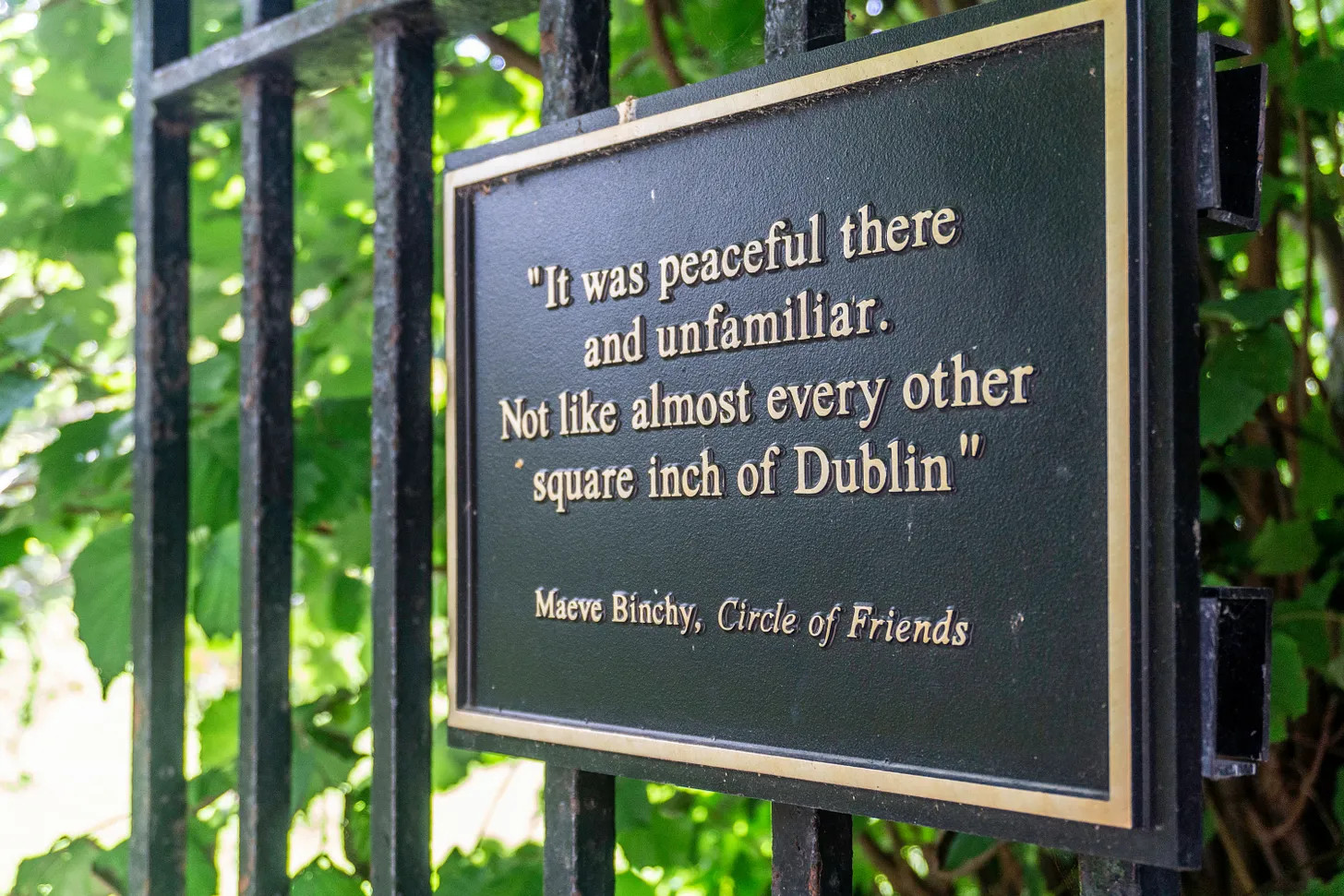
Taking A Walk #7
MoLI. Poetry. Language
April is National Poetry Month and my literary walks through the Museum of Literature Ireland (MoLI) continue. One of the exhibits in the museum is a wall of quotes from Irish writers. I stood forever reading their artful words. Syllable by syllable, tears flowed and I knew more about Ireland, literature, and life itself. Starting last week, I shared quotes from the wall. Indeed, standing there I understood writing is not a plaything. Words have history and consequence. Words are gifts and love. Words, and the stories they tell, are breath and weight.
Writing by hand had failed. Typing festered hope. The typewriter was not a plaything.
Christopher Nolan
In the deepest, darkest, tucked away, sacred parts of me, writing has never been a plaything. Much like reading has connected me to parts of myself, the world, and life itself. Writing has never been a plaything. Much like imagination and curiosity and creativity have been lights in dark times, writing has never been a plaything. Much like the stars that guide sailors, the marble from where angels emerge, or the gold that holds our broken pieces together, writing has never been a play thing.
The world changes when the words flow. What I mean is my head is clearer, my heart is lighter, my back is straighter, my steps are intentional, my breath is measured.
Writing holds hope. Writing breathes hope into existence. Hope is not a plaything.
Sentences become presents. Presents passed over back walls, outside the front gates, on the streets.
Dorothy Nelson
I am thinking about narrative gratitude. I am thinking about the deep gratitude I feel for words and story and connection and belonging. I am thinking about books and plays and essays and poems that live and breathe. I am thinking about the beauty of sentences shared on pages, between strangers. (There is something uniquely beautiful about the beauty of sentences shared between strangers.) I am thinking about sentences that hold secrets gently in safe spaces, and set them free when our hearts are ready. I am thinking about sentences as connective tissue that allows healing to occur.
Sentences become presents when they are shared. Sentences become presents when they fall from bookshelves. Sentences become presents when they arrive as kindness between friends and strangers. Sentences become presents in book clubs and libraries and stories passed down for generations.
So what is it all about? Present sentences build and change us way down deep? I think it’s about our basic desire to understand one another. Our basic desire to be seen. Our basic desire to share what we love in common. (Thank you Ross Gay for the idea we must share what we love in common.) Our basic desire to move from noise to quiet, empty to spilling over, conflict to peace.
Love could not be kept forever in the third person, past tense.
Mary Lavin
Now, just what is the third person, past tense? I looked it up and found a few examples, just to be sure my English major memory was correct — He walked to the store. She studied for the test. The dog barked loudly. Each example feels faraway, long ago, even adjacent, not inside, or present, or real.
Love is none of that. It is scary to think about — and perhaps a safer option — to walk Love’s path at a distance — at arm’s length, half in, a cool remove. Vulnerability has an edge and a bite, may break things, and asks questions. If we are in the space of a cost/benefit analysis of Love’s worth, is it Love?
Trust and grace and compassion frame Love’s move to first person, present tense. I want to suggest moving Love to first person, present tense is a profound act of courage, an example of being in life’s arena mano-a-mano with the hard things like honesty, forgiveness, shame, pain, and healing. It is getting out of our heads just enough to live full on — taking risks, getting hurt and hurting others, being disappointed and disappointing others, falling apart and back together.
For me, first person, present tense Love is worth it. First person, present tense Love connects, builds, nourishes, sees, hears, and feels. First person, present tense Love is elemental, fundamental, existential, physical, and spiritual. First person, present tense Love seeks joy, notices awe, creates connection, feeds energy, and builds strength.
Thanks for taking a walk with me through the MoLI.
Subscribe to the Wide-Awakeness Project for more walking, words, and connection.
Read Taking A Walk #1
Read Taking A Walk #2
Read Taking A Walk #3
Read Taking A Walk #4
Read Taking A Walk #5
Read Taking A Walk #6
About Katie
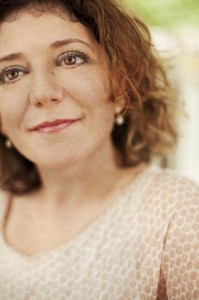
From Louisville. Live in Atlanta. Curious by nature. Researcher by education. Writer by practice. Grateful heart by desire.
Buy the Book!
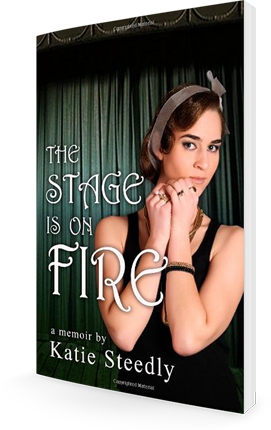
The Stage Is On Fire, a memoir about hope and change, reasons for voyaging, and dreams burning down can be purchased on Amazon.