[The Stage is on Fire] is a page-turner in which, much like life, there are no easy answers and yet each step of the journey yields insight and hope. This work of heart must not be missed!
Melanie Faith
Creative Writing Teacher, Essayist & Poet.
Katie Steedly’s first-person piece [The Unspeakable Gift] is a riveting retelling of her participation in a National Institutes of Health study that aided her quest to come to grips with her life of living with a rare genetic disorder. Her writing is superb.
The Society of Professional Journalists
In recognition of receiving the Dateline Award for the Washingtonian Magazine essay, The Unspeakable Gift.
I thank you … It is the authenticity of your “class notes”; and it is the delicacy and skill with which you present the nuances of classroom life and the actuality of your students’ and fellow teachers’ lives.
Maxine Greene
Philosopher and Education Scholar
Enter your email here to receive Weekly Wide-Awake
back
Taking A Walk #11
Taking a walk with Mary Oliver
This structure is similar to the one Mary Oliver uses in her famous poem “The Summer Day,” in which she opens with speculation about the world, the black bear, the grasshopper, and, only after bringing our attention straight into the palm of her hand to observe the grasshopper’s jaws moving “back and forth instead of up and down” does she turn her attention to herself and her own experience, when she interjects, “I don’t know exactly what a prayer is.” You can read “The Summer Day” here to see what I mean. You can also read more about the effects of and the brilliance of “The Summer Day,” and how it does what it does, here, at the Tuesday exercise called “Hand to the World” (Mary Oliver haters need not apply!).
— From Jeannine Quellette’s Writing in the Dark — A writing exercise entitled, “Let It Be A Firefly, Let It Be A Bug.”
I don’t remember when I fell in love with Mary Oliver. Maybe it was when I listened to her On Being episode, “I got saved by the beauty of the world.” Maybe it was the hundredth time I heard the line from Wild Geese, “You do not have to walk on your knees for a hundred miles through the desert repenting./ You only have to let the soft animal of your body love what it loves.” Maybe it was hundredth time I heard the line from In Blackwater woods, “To live in this world// you must be able/ to do three things:
to love what is mortal;/ to hold it// against your bones knowing/ your own life depends on it;/ and, when the time comes to let it/ go,/ to let it go.”
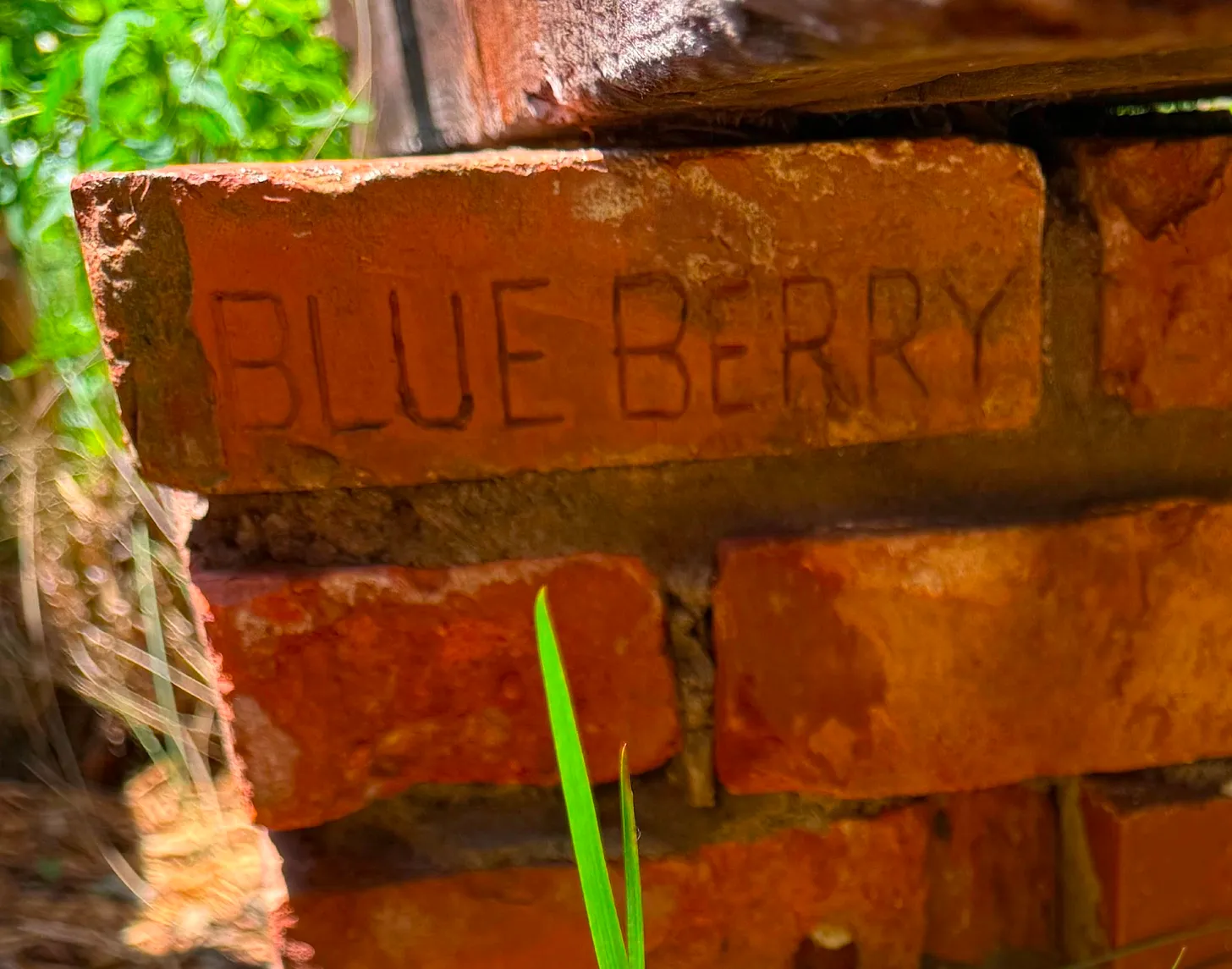
When the instructions for our writing assignment arrived, I immediately thought of the wolf statue outside my back door and wrote about it, “Canis Rufus.” After months of poking around in context and history, and two inspiring conversations with an artist/force of nature central to the project, I moved forward on a proposal for the PEN/Jean Stein Grants for Literary Oral History. This work will be an oral history of the B. Mifflin Hood Brick Company across the street from where we live.
It seems right to continue this journey with a note about Blueberry. Oliver loved her dog Percy. The couple who commissioned Canis Rufus loved their dog, Blueberry, with the kind of love that held close and let go. Blueberry is present in Canis Rufus. I think Mary Oliver would love Canis Rufus and Blueberry.
I Ask Percy How I Should Live My Life
Love, love, love, says Percy./ And hurry as fast as you can/ along the shining beach, or the rubble, or the dust./ Then, go to sleep./ Give up your body heat, your beating heart./ Then, trust. – Mary Oliver. [Advice from Mary Oliver’s dog, Percy.]
Percy speaks the truth. Start with love. Love. Live. Sleep. Share. Trust.
This poem reminds me of wordlessness and oneness all wrapped into one. Percy understands a concept as deep and wide and textured as love. (Animals get it. They live in integrity and express themselves in truth without ever speaking a word.) Love is the force behind curiosity and care. It is the firmament of sound rest and fluid breath. It is the soft underbelly of joy and sorrow. It is the microscope under which to study what does and does not matter. It is the force that can move souls and mountains. It is the net that makes falling and soaring possible. It is the stone worth pushing up the hill. It is the sun worth flying close to. It is It is the heart of life itself.
Prayer
It doesn’t have to be/the blue iris, it could be/ weeds in a vacant lot, or a few/ small stones; just/ pay attention, then patch// a few words together and don’t try/ to make them elaborate, this isn’t/ a contest but the doorway// into thanks, and a silence in which/ another voice may speak. — Mary Oliver
Iris bulbs have been passed along by the generations of women in my family. They are the backbone of my family’s gardens. It makes sense to me that Oliver begins her thoughts of prayer mentioning irises. They are beyond words. They are hope and history. They are the whisper of what has been, is, and will be. They are memory and thanks.
Look and See
This morning, at waterside, a sparrow flew/ to a water rock and landed, by error, on the back/ of an eider duck; lightly it fluttered off, amused.// The duck, too, was not provoked, but, you might say, was/ laughing./ This afternoon a gull sailing over/ our house was casually scratching/ its stomach of white feathers with one/ pink foot as it flew./ Oh Lord, how shining and festive is your gift to us, if we/ only look, and see. — Mary Oliver
I have been a city dweller most of my adult life. I have spent many years retreating to nature from the density of urban life to look for the shining and festive. Nature is profoundly and uniquely shining and festive. No doubt about it. I see shining and festive in cities, too. It’s definitely different, and requires a certain kind of attention – a slowing down amidst a rhythm that can distract and force life into fast forward. The shining and festive of the city is the sun glistening off the sides of glass skyscrapers. The shining and festive of the city is crowds of people moving like schools of fish. The shining and festive of the city is the harmony and dissonance, the building and tearing down, the old and new that is all around.
I want to suggest that looking and seeing means finding the shining and festive wherever we are. Looking and seeing takes practice. Looking and seeing takes time and requires intention. Looking and seeing takes a generous and curious eye. Looking and seeing brings relationships in to focus and provides clarity. Perhaps our capacity to look and see is the true gift.
Taking A Walk #1
Taking A Walk #2
Taking A Walk #3
Taking A Walk #4
Taking A Walk #5
Taking A Walk #6
Taking A Walk #7
Taking A Walk #8
Taking A Walk #9
Taking A Walk #10
About Katie
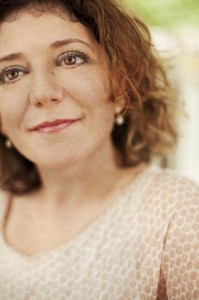
From Louisville. Live in Atlanta. Curious by nature. Researcher by education. Writer by practice. Grateful heart by desire.
Buy the Book!

The Stage Is On Fire, a memoir about hope and change, reasons for voyaging, and dreams burning down can be purchased on Amazon.